
Where healing is woven, one thread at a time.
Who we are.
At Warp & Weft, we work with people whose lives have been shaped by violence, abuse, and difficult relationships. Our practice brings together therapists with extensive experience supporting survivors of sexual violence, domestic violence, coercive control, and complex trauma.
Our work is informed by more than a decade of experience in survivor support, alongside feminist, anti-oppressive, and response-based approaches to counselling. We understand that experiences of violence do not happen in isolation. They are shaped by relationships, power, social conditions, and the systems people navigate, both during and after abuse.

We also understand that surviving something and recovering from it are different processes. Making sense of what happened, working through its effects, and rebuilding a sense of safety and trust can take time. Our work offers space for these processes, without placing responsibility for the violence on the person who experienced it.
Based in Okotoks, Alberta, Warp & Weft offers in-person and virtual counselling for adults, couples, children, and teens.
Our approach:
We believe effective counselling for survivors requires more than an understanding of trauma symptoms. It requires an understanding of violence, the dynamics of abusive relationships, and the ways people respond to threats to their safety, autonomy, and dignity.
Our collective approach is grounded in four connected principles.
1.
Understanding violence in context
We take a feminist and anti-oppressive approach to counselling. This means considering how gender, power, relationships, social expectations, and structural inequalities shape people's experiences. We pay attention to the circumstances people have had to navigate, rather than viewing their responses in isolation or treating distress as an individual failing.
2.
Recognizing survival and resistance
We take a feminist and anti-oppressive approach to counselling. This means considering how gender, power, relationships, social expectations, and structural inequalities shape people's experiences. We pay attention to the circumstances people have had to navigate, rather than viewing their responses in isolation or treating distress as an individual failing.

3.
Processing the effects of trauma
Understanding what happened is important, but it may not be enough to resolve the ongoing effects of traumatic experiences. We offer trauma-focused approaches that can help people work with distressing memories, emotional responses, and the ways trauma continues to affect daily life.
Depending on the therapist's training and the person's needs, this may include structured, evidence-based trauma treatments, somatic approaches, and art therapy. The approach is selected collaboratively, with attention to readiness, informed consent, and clinical appropriateness.
4.
Supporting recovery without prescribing what it should look like
There is no single way to recover from abuse or trauma. People come to counselling with different histories, relationships, resources, and goals. We work alongside each person to understand what they need, build on their existing strengths, and explore what moving forward might mean in their circumstances.
Our aim is not to tell people how to heal, but to offer informed, respectful support as they work toward greater safety, agency, and connection.

How we work
Our therapists bring together experience in survivor support, counselling psychology, play therapy, art therapy, and trauma-focused approaches. We recognize that some experiences are easier to explore through conversation, while others may benefit from creative expression, attention to bodily responses, or structured approaches to processing traumatic memories.
We also work with people navigating neurodivergence, relationship difficulties, separation, grief, and significant life transitions. These experiences may overlap with trauma, or they may be the reasons someone seeks counselling in their own right.

Art therapy is an important part of our practice. Creative work can offer ways to express and explore experiences that are difficult to put into words, while remaining grounded in each person's needs and therapeutic goals.
Therapists
Warp & Weft is a collective of therapists brought together by a shared commitment to survivor-centred, trauma-focused, feminist, and anti-oppressive practice.
We share a common understanding of violence and trauma, while bringing our own clinical experience, training, and therapeutic approaches to the work. Our individual profiles explain our areas of focus and the methods we offer.
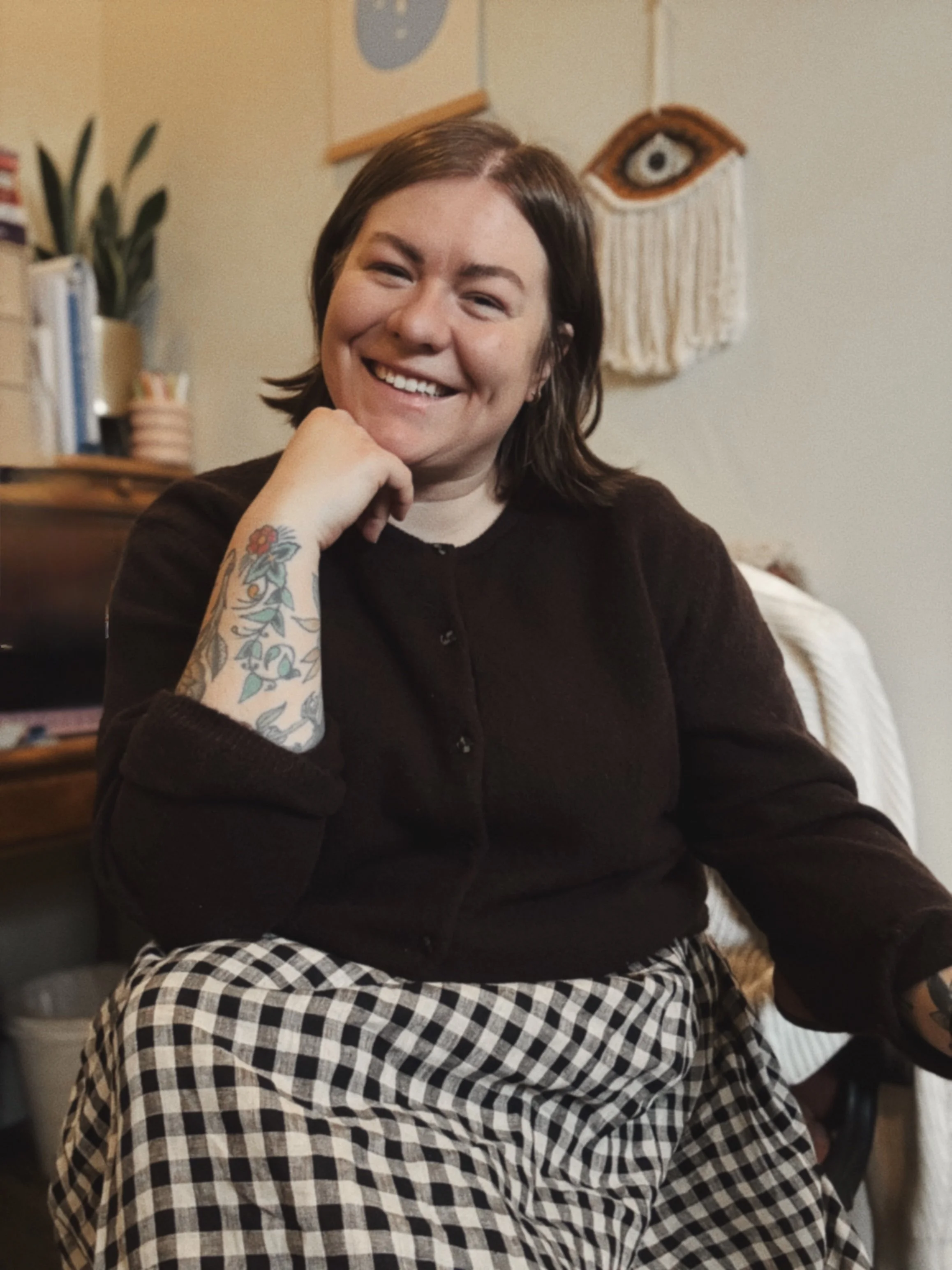
Arin Clarke-Visser, MCP:AT, CCC, CT
Founder/TherapistArin Clarke-Visser (MCP, CCC, CT) is the founder of Warp & Weft Counselling and Art Therapy. With an undergraduate degree in Addictions Counselling and a master's degree in Counselling Psychology and Art Therapy, she brings over a decade of experience supporting people navigating trauma, violence, and complex life circumstances.
Arin works with adults, older teens, and couples navigating sexual violence, domestic violence, narcissistic abuse, coercive control, complex trauma, and relationship difficulties. Her approach integrates art therapy, somatic and compassion-focused practices, and trauma-focused methods, including Accelerated Resolution Therapy (ART). She aims to create space for people to reclaim their stories, reconnect with their own strengths, and move forward on their own terms.
Pauline Greene, M.Ed., CT
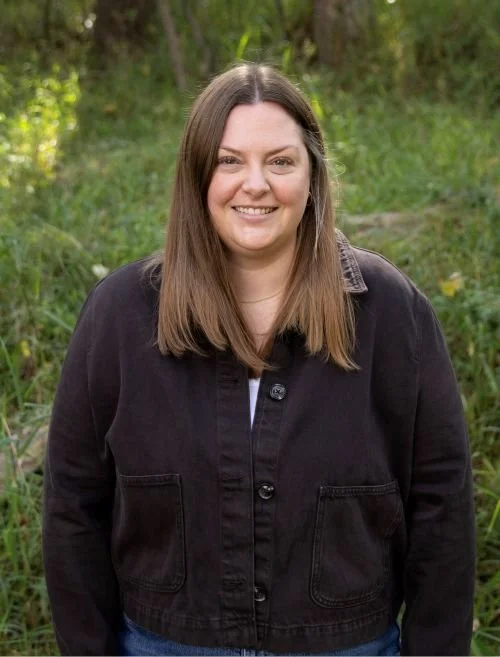
I’m Pauline Greene (M.Ed., CT), a therapist who works with children and youth ages 5–18, as well as their parents and families. My approach draws on art-based therapy, play-based therapy, and Theraplay, with a focus on building connection, strengthening relationships, and helping young people feel safe enough to explore their experiences.
Over the past six years, I’ve supported children, youth, and families navigating trauma, autism, ADHD, grief and loss, parental separation and divorce, and LGBTQIA+ experiences. This work has shaped my understanding of how each young person experiences the world differently and the importance of meeting them with curiosity, respect, and without judgment.
Children and youth don't always have the words to explain what they're feeling or going through. Art and play offer other ways to communicate, explore emotions, and make sense of difficult experiences. My goal is to create a warm, accepting space where young people can be themselves, build on their strengths, and feel understood and supported as they navigate life's challenges.
Therapist
Ready to take the next step?
Book a free 20-minute consultation. Let’s see if we’re a good fit.
Contact Us.
Interested in working together? Fill out some info and we will be in touch shortly.